


Understanding Horsepower Selection Beyond Top Speed
When shopping for a new saltwater fishing boat, most models under consideration will feature outboard power—and for excellent reasons. Outboards deliver responsive handling, convenient operation, and straightforward maintenance, plus they’re relatively easy to replace when their service life concludes, extending your boat’s longevity and getting you back on the water quickly. Yet choosing the optimal horsepower from the many available options can feel overwhelming, and the decision involves far more than determining which engine reaches the highest top speed.
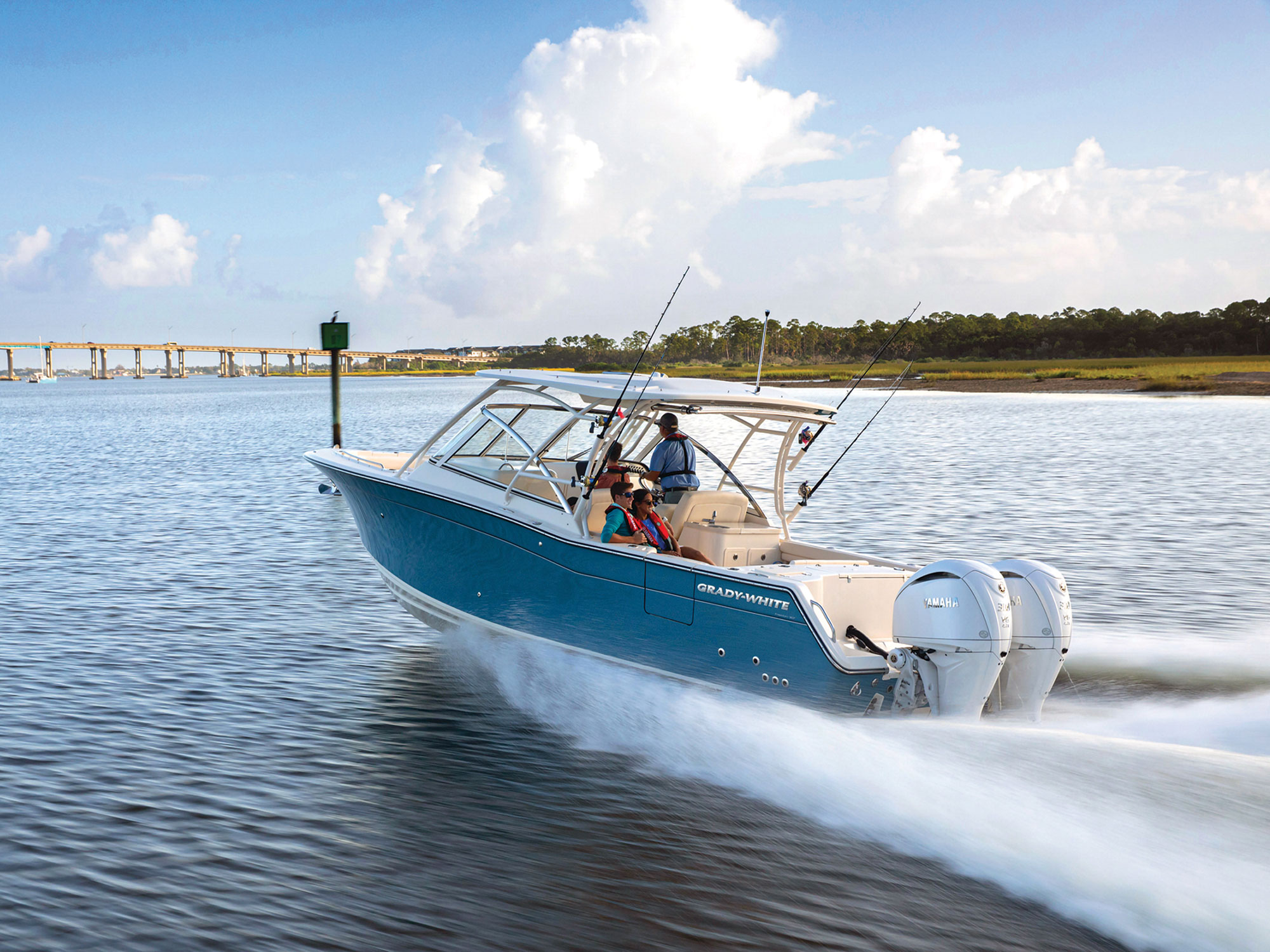
In fact, top speed ranks as the least important criterion when evaluating engine power. What truly matters is favorable low to midrange torque—the force that keeps your boat comfortably on plane when facing challenging head seas and maintains control in tricky following conditions. This distinction fundamentally changes how you should approach the selection process. For monohull boats under 20 feet, US Coast Guard regulations provide clear guidance through a formula based on boat length, transom width, and transom height. This calculation determines maximum safe horsepower while accounting for steering type and other operational factors. The maximum horsepower rating appears on a capacity plate affixed to smaller vessels, and adhering to these guidelines proves vital. Overpowering creates balance, buoyancy, and safety issues while impairing handling and reducing fuel efficiency.

Larger vessels over 20 feet rely on guidance from both regulations and builder experience. Different saltwater fishing boat types demand varying horsepower levels. Catamarans might require 300 to 1,600 hp through twin or quadruple outboard configurations, while flats skiffs typically use a single outboard ranging from about 50 to 150 hp. The boat’s primary purpose significantly influences power needs—a flat-bottom skiff or semi-V-bottom design performs better on the same horsepower than a deep-V fishing boat of comparable weight and dimensions, since sharper deadrise requires more torque to lift properly. Overall vessel weight, including cargo and passengers, plays a crucial role in determining engine requirements. A general guideline suggests 1 horsepower for every 25 to 40 pounds of boat weight. Overloading hinders performance and fuel efficiency, emphasizing the need for appropriately matched power. Boatbuilders consider these factors during the design phase, then test their calculations on prototypes. Based on real-world performance, they often adjust maximum horsepower up or down.
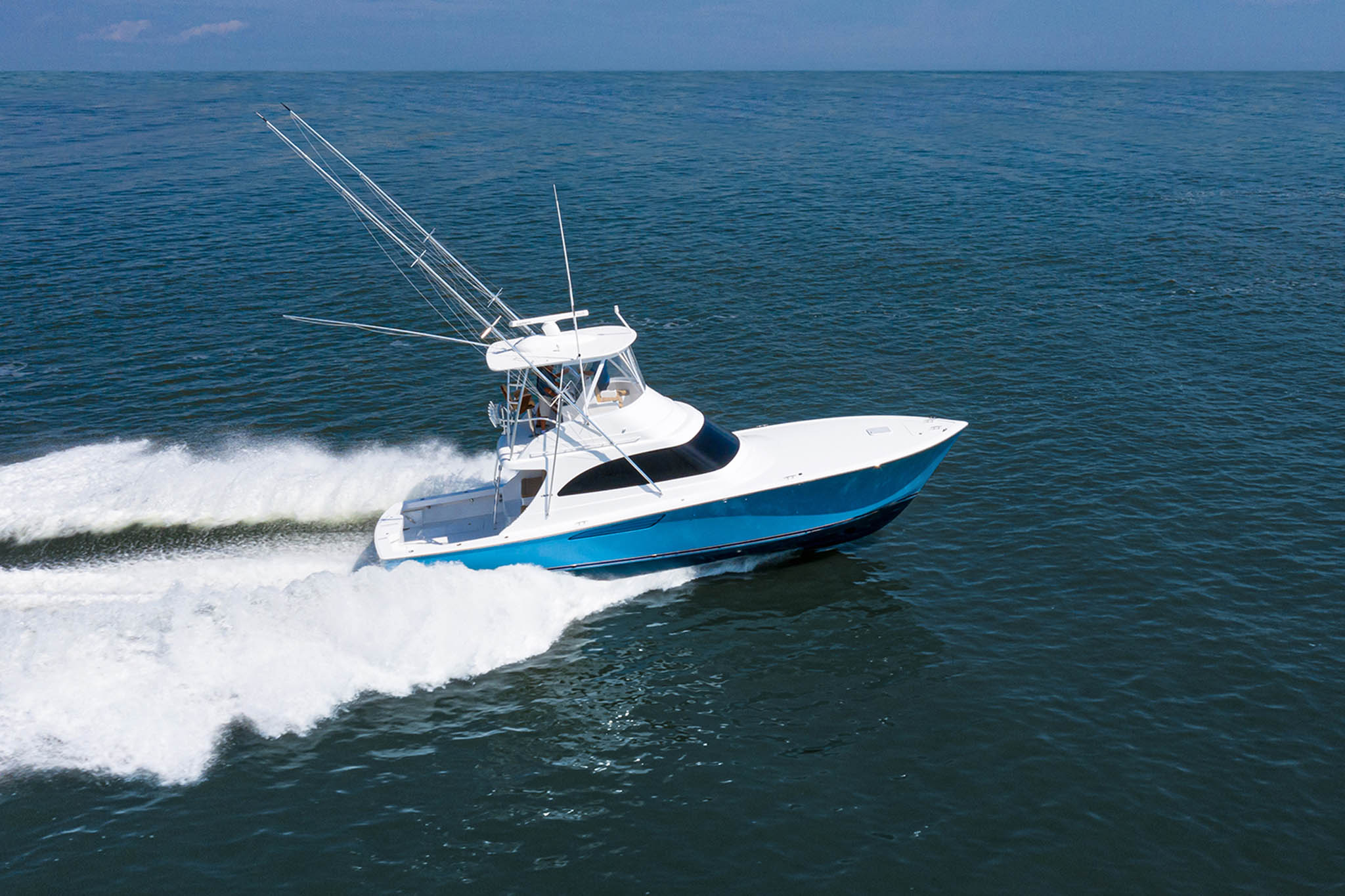
Navigating rough waters demands additional power to maintain control and performance. Accounting for these challenging conditions when selecting engine power proves essential for safety and stability. Interestingly, larger engines often prove more fuel-efficient than smaller ones struggling under heavy loads. They operate effectively at moderate rpm, conserving fuel, while smaller motors run harder to achieve the same performance and typically burn more fuel at wide-open throttle. When choosing between outboard engines, displacement matters more than mapped-up horsepower ratings. Bigger displacement—expressed in liters or cubic inches—represents real horsepower that delivers oomph throughout the entire power range. However, in multi-engine vessels, that incremental mapped-up horsepower can make a noticeable difference across the power band. Many higher-horsepower models use a block developed for lower horsepower, with increased output achieved by raising wide-open throttle instructions in the electronic control module. At higher rpm, horsepower at the prop shaft increases, yet in many cases these mapped-up motors don’t provide significant improvement over slightly lower-rated engine models.

Think ahead to when you eventually sell your boat to upgrade. For used-boat buyers, a bigger horsepower number on the motor makes a vessel far more attractive, even if that extra mph represents the only performance difference. Maximum power serves as a powerful calling card—it might not generate additional money, but it will be chosen over comparable offerings with lower-horsepower propulsion systems. When selecting horsepower for a new boat or repowering an existing one, consider the combination of boat type, intended use, and environmental conditions. Study performance reports and comparable vessels. Follow published editorial reports from reputable magazines. When purchasing a used boat, verify that the outboard falls within maximum-horsepower guidelines, or you may encounter insurance complications. Overpowering poses risks including reduced handling and voided warranties, making adherence to safety regulations and regular maintenance essential for safe operation and engine longevity. Proper care of the engine and propeller ensures consistent performance throughout your boat’s life on the water. ??
This article has been sourced from press releases and cross-referenced with multiple websites. Facts originally seen at Source.
Check out more news

Listing Highlight: 41′ Jeanneau 41 Deck Salon 2019 | ADIONA
Discover this 2019 Jeanneau Sun Odyssey 41 Ds in Annapolis. Ideal for cruising the Chesapeake Bay with modern comfort and reliable performance.

Bali Catamarans Unveils The Bali 4.3, A Game Changing 43 Footer For Modern Cruisers
Bali Catamarans introduces the Bali 4.3, bringing 48V lithium autonomy, 3000W solar, and the largest rooftop in its category to 43 feet of pure cruising innovation.

Listing Highlight: 34′ Chris-Craft Corsair 34 2020 | SUMMER BREEZE
Discover Summer Breeze, a stunning 2020 Chris-Craft Corsair 34 finished in Dark Black Graphite with twin 380 HP MerCruiser engines and premium amenities.