

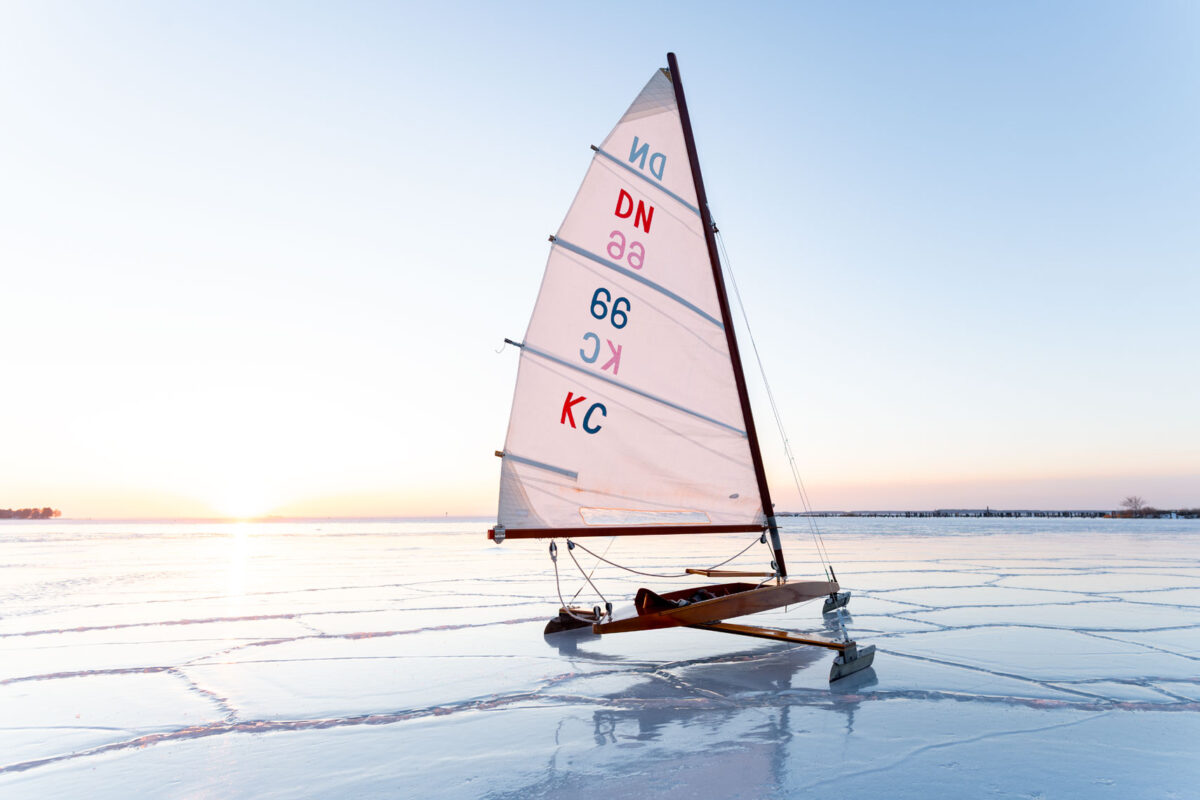
When The Bay Freezes, Maryland’s Maritime History Comes Alive At Fifty Miles Per Hour
The recent deep freeze across the Mid-Atlantic region offered a rare glimpse into a dormant maritime tradition that requires specific meteorological conditions to flourish. While most Maryland residents sheltered from the unseasonable cold, a dedicated group of sailors in Talbot County viewed the plummeting temperatures as an invitation. For local mariners like Michael Keene, the freezing of the Chesapeake Bay signals the beginning of a high-speed, adrenaline-fueled season known locally as hardwater sailing. The phenomenon requires a specific alignment of elements, specifically five nights of frigid temperatures to solidify the shorelines, a calculation Keene verified by drilling directly into the ice at his favorite cove.
Once the ice reached a thickness of four and a half inches, the cove in Claiborne transformed from a quiet winter landscape into a bustling hub of maritime activity. This area, once a busy steamboat landing in the early 20th century, saw a resurgence of energy as sailors offloaded miniature vessels designed for speed. These iceboats, approximately 12 feet in length, function essentially as sleds fitted with sails and three skating blades. The mechanics are simple yet unforgiving, with the front blade attached to a tiller for steering. The physics of iceboating allow for remarkable velocity, with vessels capable of traveling three and a half times the speed of the wind, easily reaching speeds of 50 miles per hour.
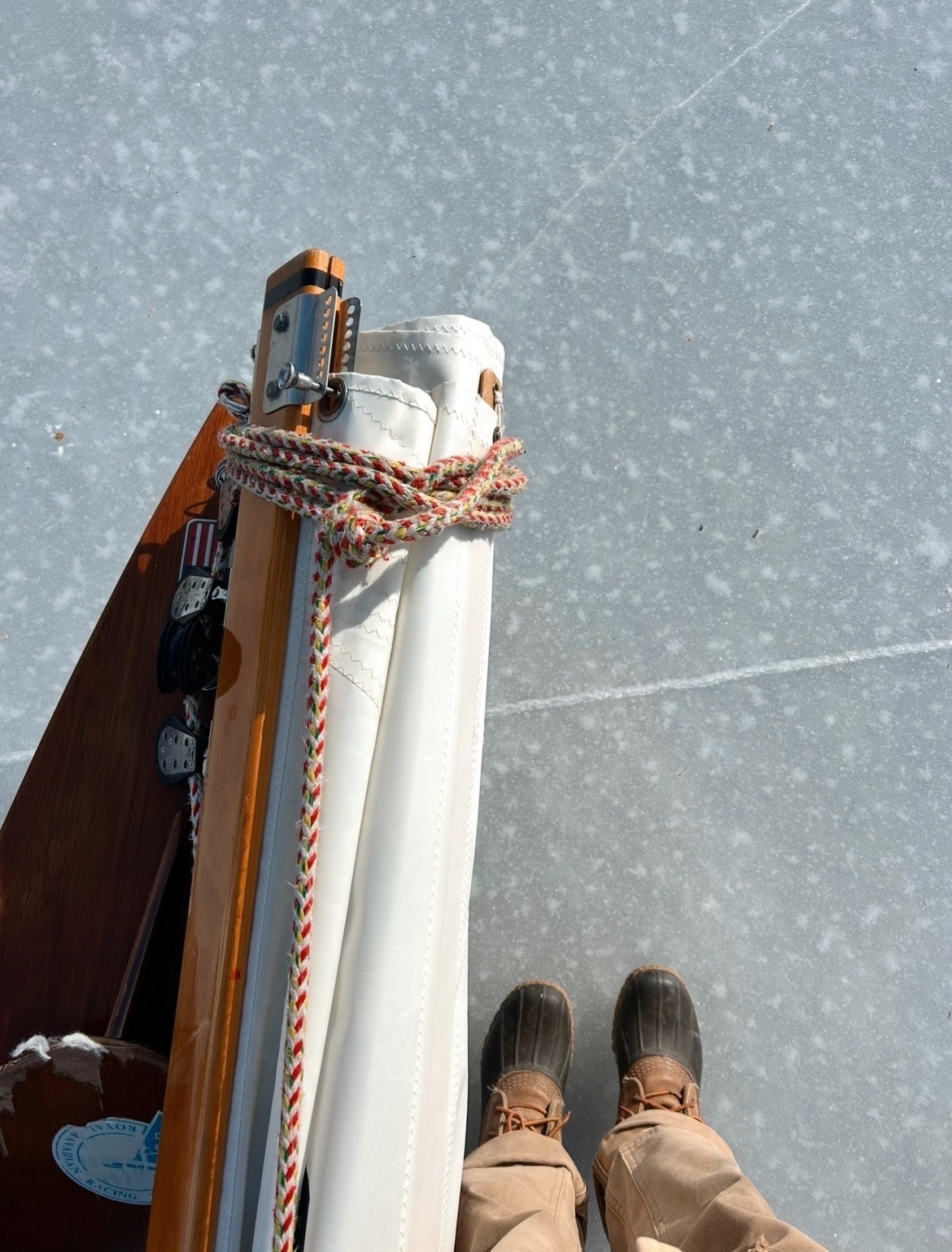
The allure of the sport lies in its intensity and its history. Pete Lesher, a historian at the Chesapeake Bay Maritime Museum, notes that the experience is characterized by bursts of excitement punctuated by the need to warm up from the bitter wind chill. This tradition on the Chesapeake dates back over a century, with archival accounts from 1917 describing similar conditions where locals sailed everywhere across the frozen bay. While early vessels were often homebuilt, the standard DN Class model eventually became the vessel of choice. This design rose to prominence locally after the 1977 North American World Championships were moved to the Miles River due to snow elsewhere, marking the only time the prestigious event was held south of the Mason-Dixon Line.
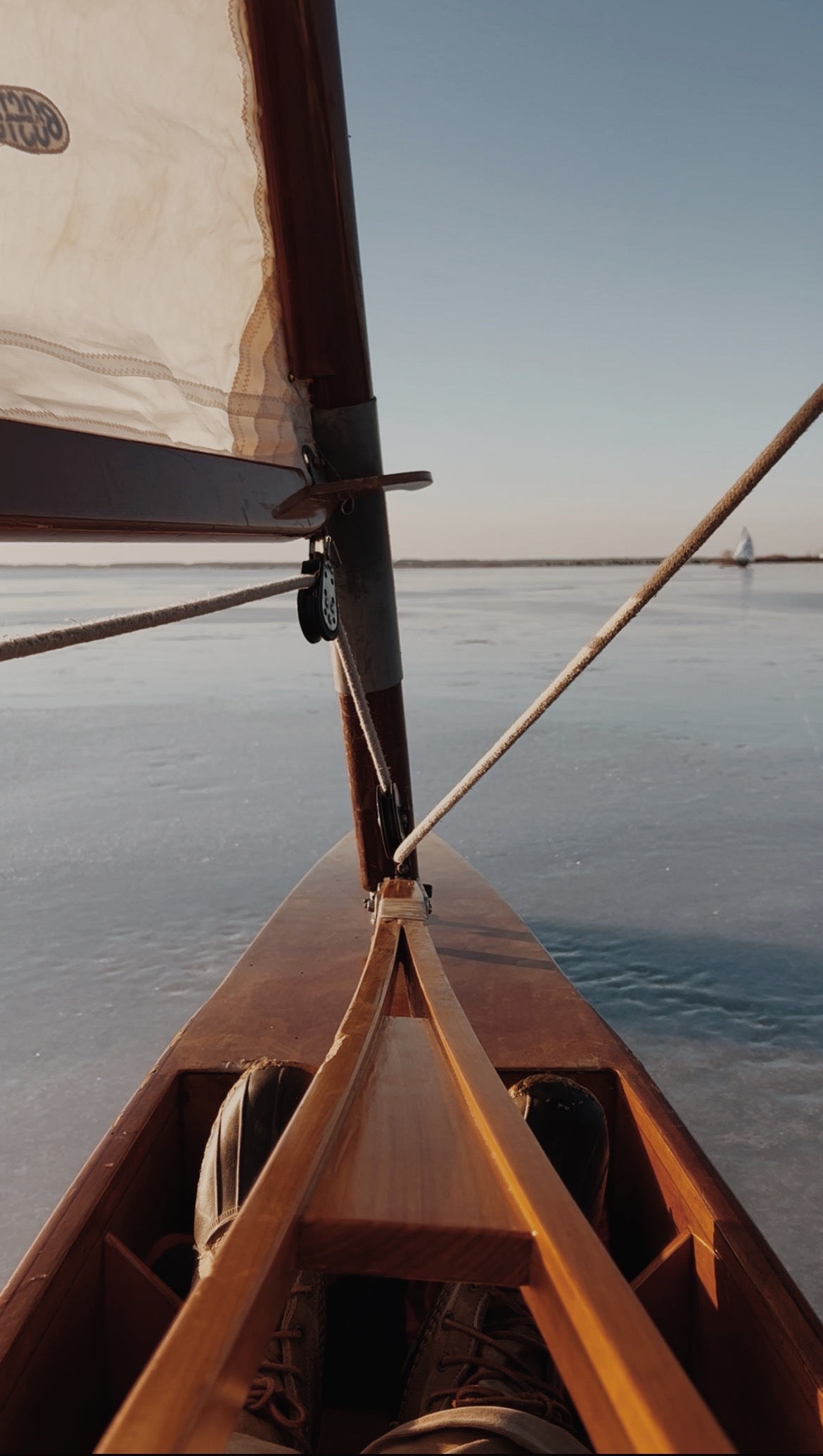
The recent gathering at Claiborne served as both a sporting event and a community spectacle. Veteran iceboaters like Jim Richardson and Keene served as informal stewards of the cove, maintaining the fleet and even hosting a gathering on the ice complete with a wood-burning fire. The visual dominance of the iceboats drew spectators from across the region, including Annapolis and Washington, D.C., all eager to witness the fleeting beauty of the frozen estuary. The risks inherent in the sport, from capsizing to breaking through the ice, add a layer of gravity to the excitement. Yet, as the temperatures began to rise and the ice softened, the ephemeral nature of the sport only added to its value, leaving the sailors to wait for the next great freeze.
This article has been sourced from press releases and cross-referenced with multiple websites. Facts originally seen at Source. Images credited to Source.
Check out more news

Listing Highlight: 41′ Jeanneau 41 Deck Salon 2019 | ADIONA
Discover this 2019 Jeanneau Sun Odyssey 41 Ds in Annapolis. Ideal for cruising the Chesapeake Bay with modern comfort and reliable performance.

Bali Catamarans Unveils The Bali 4.3, A Game Changing 43 Footer For Modern Cruisers
Bali Catamarans introduces the Bali 4.3, bringing 48V lithium autonomy, 3000W solar, and the largest rooftop in its category to 43 feet of pure cruising innovation.

Listing Highlight: 34′ Chris-Craft Corsair 34 2020 | SUMMER BREEZE
Discover Summer Breeze, a stunning 2020 Chris-Craft Corsair 34 finished in Dark Black Graphite with twin 380 HP MerCruiser engines and premium amenities.